
Abdominoplasty/Tummy tuck
What is abdominoplasty surgery?
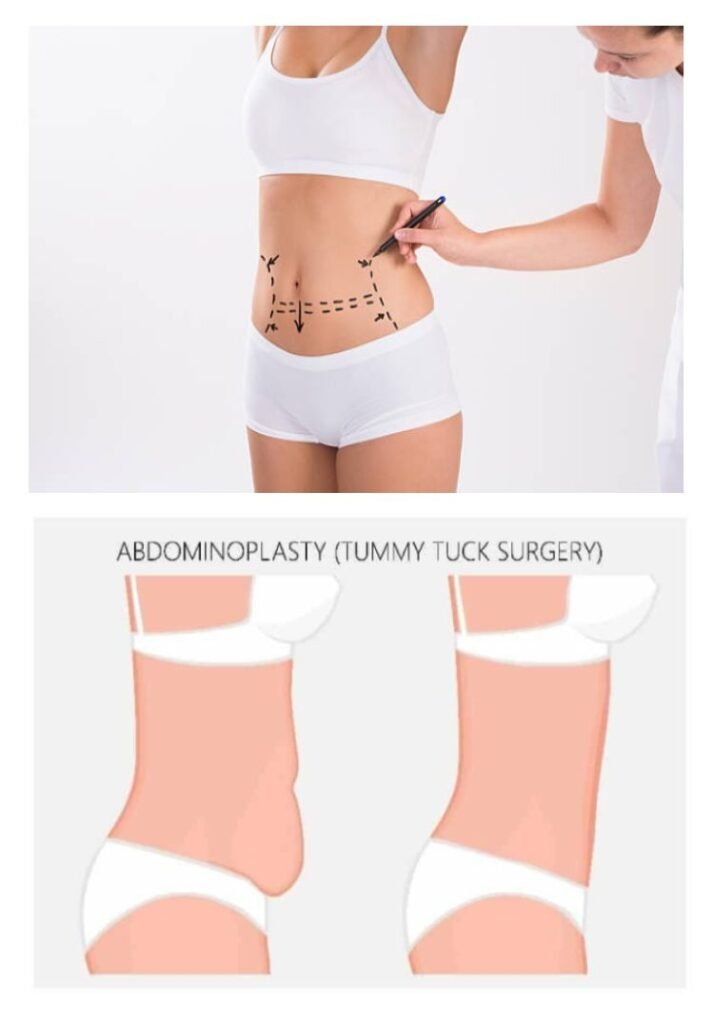
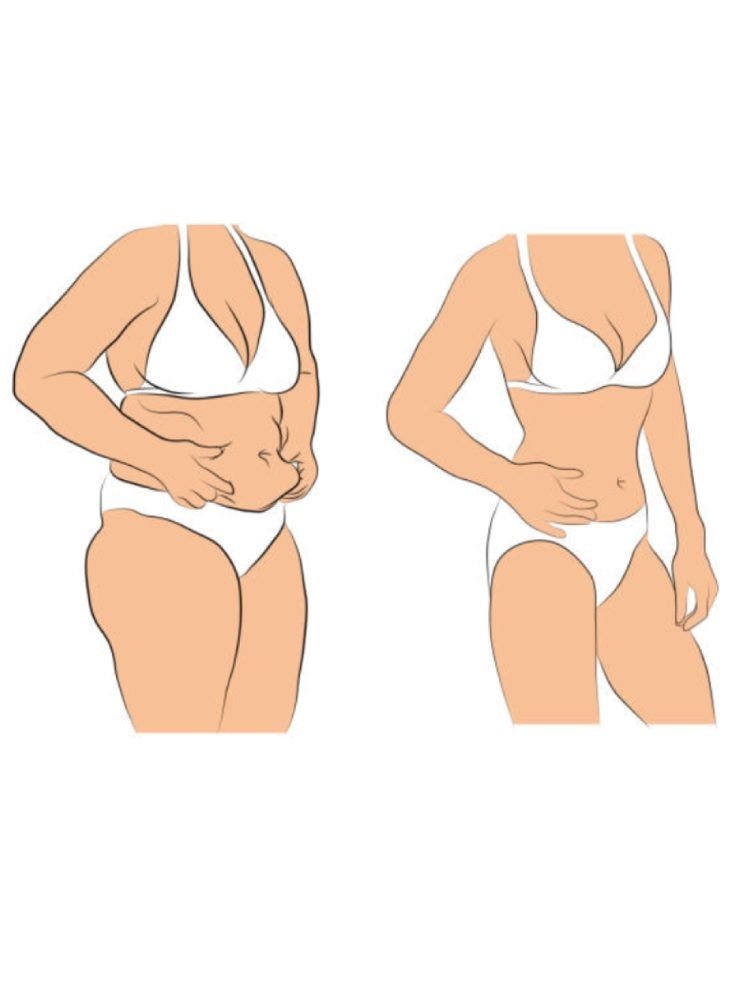
Abdominoplasty surgery, commonly known as a “tummy tuck,”/(mommy make over ) is a cosmetic surgical procedure that involves the removal of excess skin and fat from the abdominal area and the tightening of underlying muscles to achieve a smoother and more toned appearance.
Abdominoplasty is not a substitute for weight loss or a healthy lifestyle but is rather a surgical option to address specific aesthetic concerns related to the abdominal area. It is recommended that individuals considering abdominoplasty consult with a qualified and experienced plastic surgeon / cosmetic surgeon like founder of ARUMEEN AESTHETIC CENTERE DR.A.SARAVANAN to discuss their goals, expectations, and potential risks before deciding to undergo the procedure.
Am I a Good Candidate for Abdominoplasty?
Determining whether you are a good candidate for abdominoplasty (tummy tuck) involves several factors that you should consider in consultation with a qualified plastic surgeon/COSMETIC SURGEON like DR.A.SARAVANAN MS,MCH . While the final decision should be made in consultation with a medical professional, here are some general guidelines to help you assess your candidacy
1. Excess Skin and Fat:
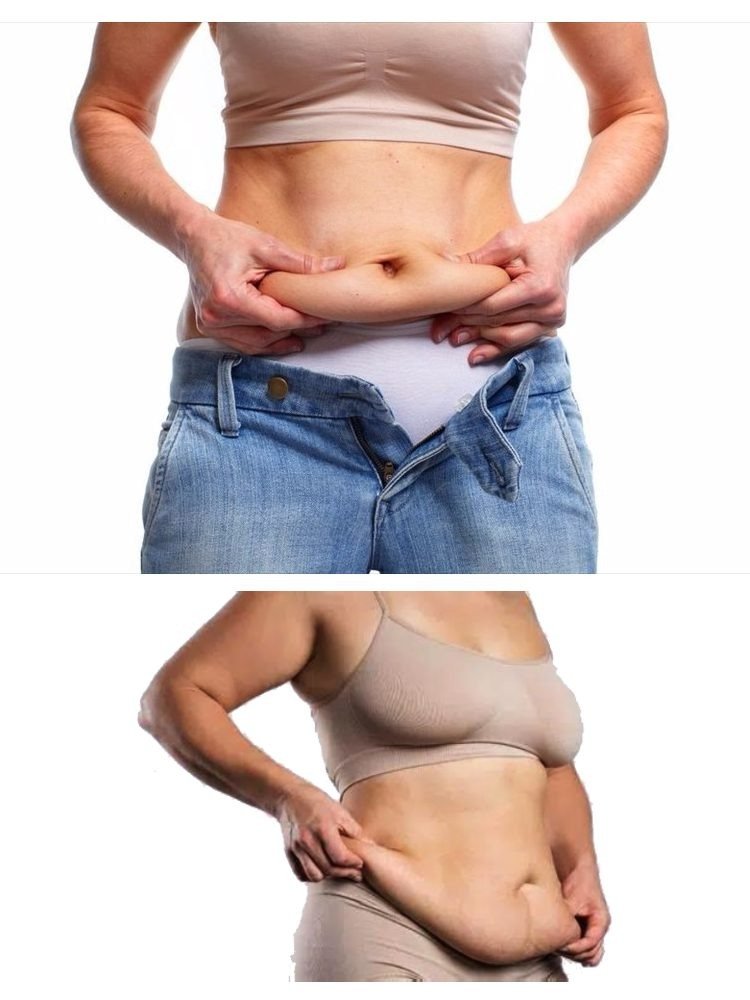
You may be a good candidate if you have excess skin and fat in your abdominal area that has not responded well to diet and exercise. Abdominoplasty can effectively address this issue.
2. Stable Weight:
Candidates should be at a relatively stable weight, as significant weight fluctuations after surgery can affect the results.
3. Post-Pregnancy Changes:
Abdominoplasty can be suitable for women who have experienced significant changes in their abdominal area due to pregnancy, including stretched skin and weakened muscles.
4. Health and Fitness
Good overall health is important. Candidates should be non-smokers and free of medical conditions that could impair healing. Being physically fit and leading a healthy lifestyle can contribute to successful outcomes.
5. Realistic Expectations:
Candidates should have realistic expectations about the results of the procedure. While abdominoplasty can achieve significant improvements, it’s important to understand that it is not a substitute for weight loss or a guarantee of a perfect body.
What Are the Different Types of Abdominoplasty Procedures?
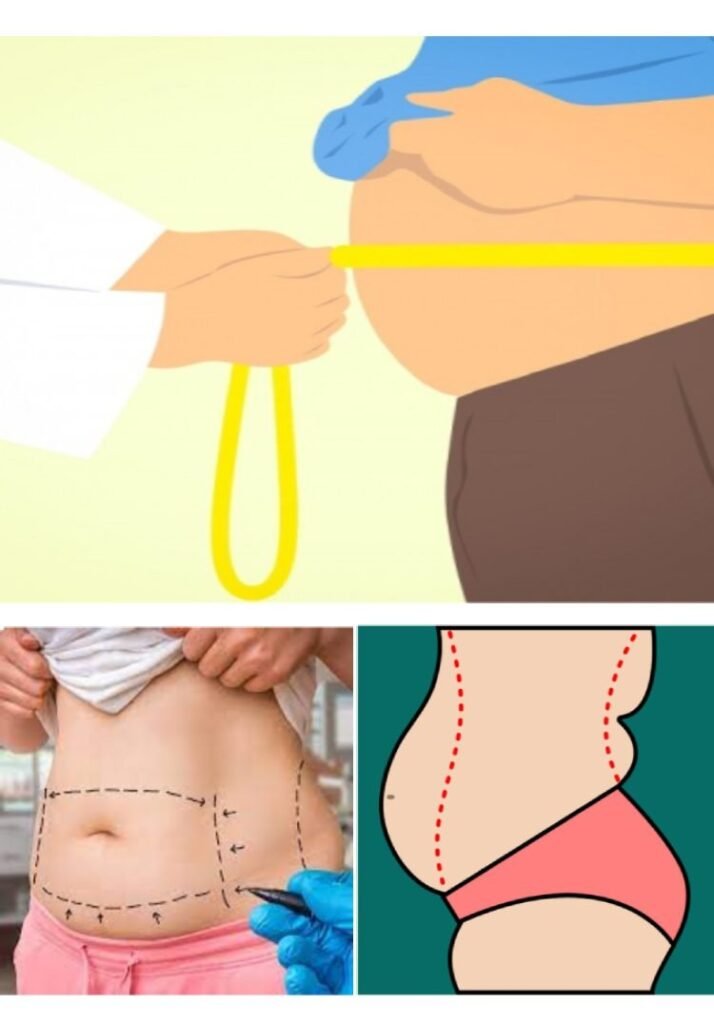
There are several types of abdominoplasty procedures, each designed to address specific concerns and provide different levels of correction. The type of abdominoplasty that is most suitable for you will depend on your individual anatomy, aesthetic goals, and the extent of correction needed. Here are some of the different types of abdominoplasty procedures:
1. Full Abdominoplasty (Traditional Tummy Tuck):
This is the most common type of abdominoplasty. It involves a horizontal incision across the lower abdomen, typically from hip to hip, allowing for the removal of excess skin and fat. The underlying muscles can be tightened, and the navel may be repositioned for a smoother and more toned appearance.
2. Mini Abdominoplasty:
A mini tummy tuck is a less extensive procedure that focuses on the lower abdominal area below the navel. It involves a shorter incision and is suitable for individuals with milder skin and muscle laxity. It may not address issues above the navel.
3. Extended Abdominoplasty:
This procedure combines the techniques of a traditional tummy tuck with the removal of excess skin and fat from the flanks or hips. It is suitable for individuals with significant skin laxity extending to the sides of the abdomen.
4. Fleur-de-Lis Abdominoplasty:
This technique is used when there is both horizontal and vertical excess skin. It involves a vertical incision in addition to the horizontal incision, creating a “T” shape. It’s commonly used for patients with massive weight loss.
5. Circumferential Abdominoplasty (Body Lift):
This procedure is more extensive and involves addressing excess skin and fat not only on the front of the abdomen but also around the entire waistline. It is often chosen by individuals who have undergone significant weight loss.
List out the advantages of abdominoplasty surgery?
1. Flatter Abdomen:
Abdominoplasty can effectively remove excess skin and fat from the abdominal area, resulting in a flatter and more toned appearance.
2. Muscle Tightening:
The procedure can also involve tightening the abdominal muscles, which may have become stretched or separated due to factors like pregnancy or significant weight fluctuations.
3. Improved Body Contour:
Abdominoplasty enhances body contour and can help you achieve a more proportionate and aesthetically pleasing figure.
4. Stretch Mark Improvement:
While it won’t eliminate stretch marks entirely, a tummy tuck can sometimes remove or improve the appearance of stretch marks on the lower abdomen.
5. Increased Confidence:
Many patients report increased self-esteem and confidence following a successful abdominoplasty, as they feel more comfortable with their body’s appearance.
6. Enhanced Mobility:
Some individuals experience improved mobility and reduced discomfort after the procedure, as excess skin and tissue can restrict movement and cause discomfort.
7. Post-Pregnancy Recovery:
Women who have undergone pregnancy and childbirth may benefit from a tummy tuck to address changes in the abdominal area that often occur during pregnancy.
8. Clothing Fit:
Patients often find that clothing fits better and more comfortably after a tummy tuck, as excess abdominal skin and fat are removed.
9. Long-Lasting Results:
When combined with a healthy lifestyle that includes proper diet and exercise, the results of abdominoplasty can be long-lasting.
10. Motivation for a Healthier Lifestyle:
Many people use abdominoplasty as a motivator to maintain a healthier lifestyle, including regular exercise and a balanced diet, to preserve the results
10. Compression Garment
Depending on your surgeon’s recommendations, you may need to wear a compression garment after surgery to support the healing process and minimize swelling.
11. Arrange for Help:
Enlist the help of a friend or family member to assist with household chores, childcare, and other responsibilities during the initial stages of recovery.
12. Follow Fasting Instructions:
You’ll likely be instructed not to eat or drink for a certain period before surgery. Follow these fasting instructions to ensure your safety during anesthesia.
13. Stay Hydrated:
Drinking enough water before surgery is important for your overall well-being and can aid in the recovery process.
14. Mental and Emotional Preparation:
Preparing mentally and emotionally is also important. Understand the recovery process, manage your expectations, and stay positive.
15. Review Postoperative Care Instructions:
Familiarize yourself with the postoperative care instructions provided by your surgeon. This includes wound care, medication schedules, and activity restrictions.
How Long Does the Abdominoplasty Procedure Typically Take?
The duration of an abdominoplasty (tummy tuck) MOMMY MAKE OVER procedure can vary depending on several factors, including the specific type of abdominoplasty being performed, the extent of correction needed, and any additional procedures that may be combined with the tummy tuck. On average, the duration of an abdominoplasty procedure can range from approximately 2 to 5 hours. Here’s a breakdown of the time it might take for different types of abdominoplasty procedures:
What Should I Do to Prepare for Abdominoplasty Surgery?
Preparing for abdominoplasty surgery (tummy tuck) involves several important steps to ensure a smooth and successful procedure and recovery. Here are some guidelines to help you prepare:
1. Consultation with a Plastic Surgeon:
Schedule a thorough consultation with a board-certified plastic surgeon /cosmetic surgeon who specializes in abdominoplasty. During the consultation, discuss your goals, medical history, current health, and any medications or supplements you’re taking. Be honest about your expectations and ask any questions you may have.
2. Medical Evaluation:
Your surgeon will likely request a comprehensive medical evaluation to ensure that you are in good health for surgery. This may include blood tests, imaging, and other diagnostic tests.
3. Follow Pre-operative Instructions:
Your surgeon will provide specific instructions to follow before surgery. This may include avoiding certain medications, quitting smoking, and adjusting your diet if needed.
4. Medication Review:
Discuss with your surgeon any medications, supplements, or herbal remedies you are taking, as some may need to be temporarily discontinued before surgery to reduce the risk of complications.
5. Arrange Transportation and Support:
Arrange for someone to drive you to and from the surgical facility on the day of the procedure. You may also need someone to assist you during the initial days of your recovery.
6. Prepare Your Recovery Area:
Create a comfortable and convenient recovery area at home. Set up a space with pillows, blankets, entertainment, and easy access to necessities like water, medication, and snacks.
7. Prepare Meals:
Prepare nutritious meals and snacks ahead of time, as you may have limited mobility and energy during the initial days of recovery.
8. Hygiene and Skin Care:
Follow your surgeon’s guidelines for preoperative skin care and hygiene. Avoid applying lotions or creams on the surgical area before surgery.
9. Clothing:
Pack loose, comfortable clothing to wear after surgery. Choose garments that are easy to put on and take off without causing discomfort to the surgical site.
What Can I Expect During the Recovery Period After Abdominoplasty?
The recovery period after abdominoplasty (tummy tuck) is a critical phase during which your body heals and adjusts to the changes made during the surgery. Here’s what you can generally expect during the recovery period:
1. Immediate Post-Operative Period:
After the surgery, you will spend some time in the recovery area under observation. You may have surgical dressings and drains in place to manage fluid accumulation. Pain medication and antibiotics will be administered as needed
2. Pain and Discomfort:
Pain and discomfort are common in the initial days after surgery. Your surgeon will prescribe pain medications to help manage discomfort. It’s important to take the medications as directed.
3. Activity Restrictions:
You’ll be advised to rest and limit physical activity for the first few weeks. Avoid heavy lifting, strenuous exercise, and activities that could strain your abdominal area.
4. Compression Garment:
You may need to wear a compression garment to provide support to the healing tissues and help minimize swelling.
5. Swelling and Bruising:
Swelling and bruising are normal after surgery and can take several weeks to subside. Keeping your legs elevated and following your surgeon’s instructions can help reduce swelling.
6. Drain Removal:
If surgical drains were placed, they will be removed once the drainage decreases to a certain level, usually within the first week or two after surgery.
7. Wound Care:
Proper wound care is essential to prevent infection and promote healing. Follow your surgeon’s instructions for cleaning and caring for your incisions.
8. Restricted Movements:
You’ll need to avoid certain movements that strain your abdominal muscles, such as bending at the waist or stretching. Following these restrictions is crucial for a successful recovery.
9. Diet and Hydration:
Maintain a healthy and balanced diet to support healing. Staying hydrated can also aid in the recovery process.
10. Follow-Up Appointments:
You’ll have follow-up appointments with your surgeon to monitor your progress and ensure that your incisions are healing properly. Usually for 6 weeks.
11. Return to Work and Activities:
The timeline for returning to work and normal activities will depend on the extent of the surgery and your individual healing process. Light activities may be resumed after a few weeks, while more strenuous activities should be avoided for several weeks or even months.
12. Scar Care:
Scars from the incisions will gradually fade over time. Your surgeon may provide guidance on scar care techniques, such as applying scar creams or silicone sheets.
13. Emotional Adjustment:
Recovery involves not only physical healing but also emotional adjustment. Be patient with yourself and give yourself time to adapt to your new appearance.
Is Abdominoplasty an Effective Solution for Loose Skin After Pregnancy?
Yes, abdominoplasty (tummy tuck) can be an effective solution for addressing loose or sagging skin that often occurs after pregnancy. Pregnancy can cause significant changes to the abdominal area, including stretched skin, muscle separation (diastasis recti), and excess fat deposits. Abdominoplasty is designed to address these issues and provide a smoother, firmer, and more toned abdominal contour.
1. Excess Skin Removal:
Abdominoplasty involves the removal of excess skin from the lower abdominal area. This can help eliminate the sagging or hanging skin that often occurs after pregnancy, especially if the skin has lost its elasticity.
2. Muscle Repair:
Pregnancy can lead to separation of the abdominal muscles (diastasis recti), which can contribute to a protruding abdomen. During abdominoplasty, the underlying muscles are tightened and sutured together, restoring a flatter and more toned appearance.
3. Sculpting and Contouring:
In addition to addressing excess skin and muscle laxity, liposuction may be combined with abdominoplasty to remove localized fat deposits and further enhance the contour of the abdominal area.
4. Stretch Mark Improvement:
While abdominoplasty may not completely eliminate all stretch marks, it can remove stretch marks that are located on the excised skin. Stretch marks that remain on the remaining skin may also appear smoother due to the removal of excess skin.
5. Improved Self-Confidence:
Many women experience a boost in self-confidence and body image following abdominoplasty, as the procedure can restore a more youthful and pre-pregnancy appearance.
What Are the Potential Risks and Complications of Abdominoplasty?
Like any surgical procedure, abdominoplasty (tummy tuck) carries potential risks and complications. It’s important to be aware of these risks and discuss them thoroughly with your surgeon before deciding to undergo the procedure. While serious complications are relatively rare, it’s essential to have a clear understanding of the possible outcomes. Here are some potential risks and complications associated with abdominoplasty:
1. Anesthesia Risks:
Anesthesia carries inherent risks, including allergic reactions, respiratory issues, and adverse reactions to medications. Your anesthesiologist will carefully monitor you throughout the procedure to minimize these risks.
2. Infection:
Infections can occur at the incision site or within the abdominal cavity. Proper surgical techniques, post-operative care, and antibiotic use can help reduce the risk of infection.
3. Bleeding and Hematoma:
Bleeding can occur during or after surgery, leading to the formation of a hematoma (accumulation of blood). Drainage tubes may be used to prevent excessive fluid buildup.
4. Poor Wound Healing:
Some individuals may experience delayed wound healing or wound separation. This is more likely to occur in individuals with certain medical conditions, such as diabetes or compromised circulation.